One Cedar Park Zip Code, Two Very Different Housing Markets in 2026
October 1, 2026
October 1, 2026
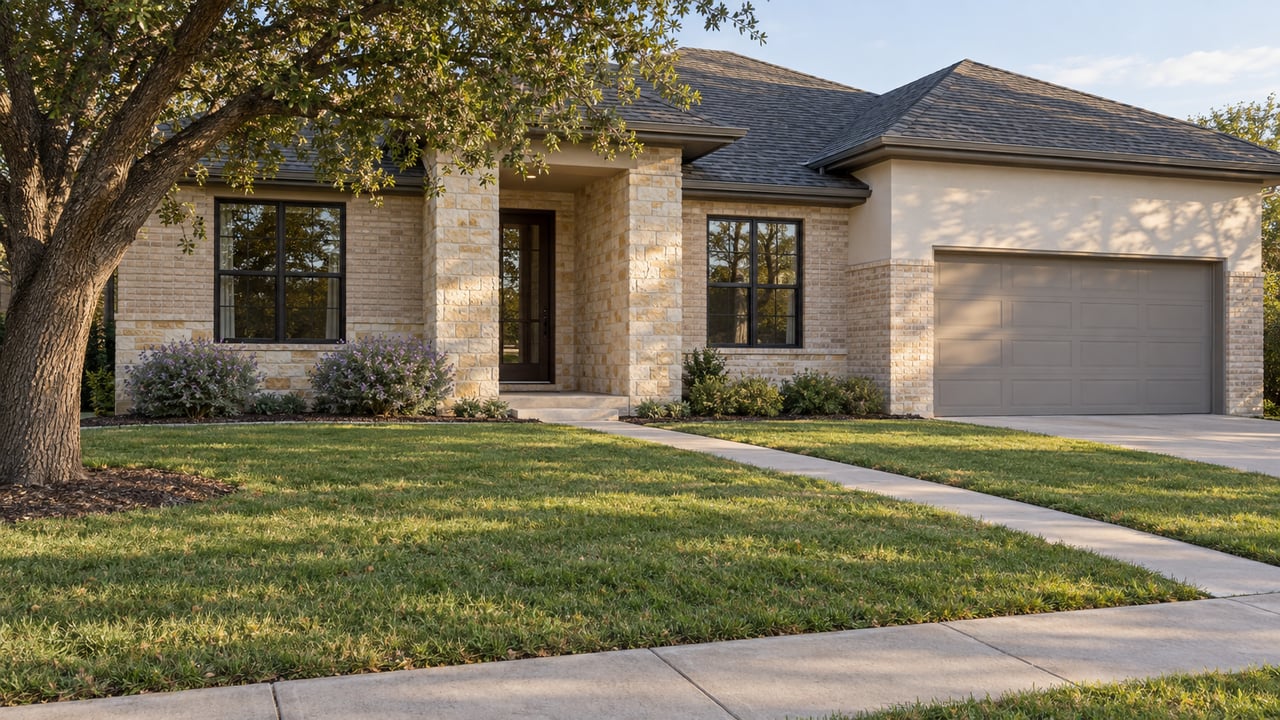
A buyer under contract on a 2004-built house three blocks off Bell Boulevard gets the appraisal back and it's short by more than either side expected. Nothing is wrong with the house. The problem is the comps. The appraiser pulled sales from Buttercup Creek, from newer construction north of Whitestone Boulevard, and from resale product in Avery Ranch, three areas that are not moving in the same direction right now, and blended them into a number that doesn't describe any of them.
That scenario is playing out across ZIP 78613 this year, and it explains something the citywide median price cannot: Cedar Park isn't one market cooling or warming at a single rate. It's two markets, moving opposite ways, averaged into a headline number that flatters neither.
Over the three months ending July 2026, Cedar Park's citywide median sale price came in around $520,000, up roughly 4.5 percent from the same period a year earlier. Homes were selling in about 46 days on average. Read on its own, that looks like a steady, mildly appreciating suburb.
But narrow the lens to ZIP 78613 specifically and a different pattern shows up. In January 2026, the median price there fell about 7 percent year over year, from roughly $522,000 the January before to around $483,000, with sales volume down 28 percent over the same stretch. That's not a market gently leveling off. That's one part of the ZIP absorbing real softness while another part is running hot enough to pull the citywide average back up.
The split lines up almost exactly with distance from one project: the Bell District.
Bell Boulevard used to be a through-traffic corridor, the kind of street people drove on their way to somewhere else. The city started planning to change that in 2014, and the plan has stopped being a rendering.
The Bell District is a 54-acre public-private redevelopment built through a partnership between the City of Cedar Park and RedLeaf Partners, the master developer the city selected in 2019. Phase 1 already delivered about 180,000 square feet of retail, restaurant, and entertainment space along with 320 multifamily units and a central plaza. The new 47,000 square foot Cedar Park Public Library opened on site in November 2024, earned LEED Gold certification, and won the ULI Austin Best Public Place award. The library anchors a Saturday routine now built around the Texas Farmers Market and Yoga in the Backyard, plus a music series at the Backyard at Bell.
The next phase is what should matter most to anyone pricing a home nearby. In April 2026, Boston-based developer GID filed plans for Bell District Block B, a $65 million, 194-unit multifamily project of roughly 462,000 square feet, wrapped around a 530-space parking deck with an outdoor pool courtyard. Construction is set to break ground in November 2026 and finish in late 2028. Phase 2 adds another 150,000 square feet of Class A office space on the district's north side with direct access to both 183 and the 183A toll road.
Smaller tenants are following the office and apartment money. Huddle Tavern, a 2,300 square foot sports bar, has filed to take space at 604 N. Bell Blvd., with construction running from July through December 2026. A few minutes north on Whitestone, PopStroke, the Tiger Woods-affiliated mini-golf concept, is under construction in front of The Alden Apartments and targeting a 2026 opening.
None of this is speculative anymore. It's permitted, filed, and in several cases already under construction, which is a different category of evidence than a master plan renderings deck.
The Bell District's momentum isn't happening in isolation from Cedar Park's job math. The 183A toll road connects central Cedar Park to the Domain and Apple's North Austin campus in about 22 minutes off-peak, with peak-hour trips rarely stretching past 35 minutes. That commute time is short enough that tech employees relocating for work compete for the same housing stock as families moving for Leander ISD access, and both groups are increasingly willing to pay a premium for anything within an easy walk or short drive of a library, a farmers market, and a growing restaurant row.
That's the demand pulling comps upward on one side of the ZIP. It has nothing to do with the homes themselves aging well or being renovated. It's proximity to a specific 54-acre project.
For a buyer writing an offer on an older home near Bell Boulevard, the risk isn't losing the house to another bidder. It's the appraisal. Lenders order appraisals based on recent comparable sales within a set radius and time window, and when that radius spans both a repricing corridor and a discounting perimeter, the resulting number tends to land somewhere in the middle, below what a motivated buyer just agreed to pay. That gap becomes a renegotiation the buyer didn't budget for at the exact moment financing is supposed to be a formality.
For a seller listing a newer home in the outlying south or west parts of the ZIP, the risk runs the other way. Pricing against the citywide median, which now includes a growing share of Bell-adjacent sales, can put a listing above what buyers in that specific pocket are actually paying. A well-kept 2019 tract home priced off the wrong comp set doesn't get outbid. It sits, and every week on market makes the next price cut look less like a strategy and more like a concession.
Neither problem shows up on a home valuation tool. Both show up in the actual paperwork, which is exactly why understanding which side of the split a specific address falls on matters more than knowing the citywide number at all.
Does this split affect all of Cedar Park, or just this one zip code? The clearest evidence right now is concentrated in ZIP 78613, where the Bell District sits and where the divergence between older, Bell-adjacent housing stock and newer construction further out is most visible in the sales data. Other parts of Cedar Park outside that ZIP aren't showing the same bifurcation, at least not yet.
How long is this likely to last? Bell District Block B isn't scheduled to finish until late 2028, and Phase 2's office space is still in planning. As long as the district keeps adding filed, funded projects rather than just concepts, the comp-pulling effect on nearby resale homes should keep showing up in appraisals for at least the next couple of years.
Does being near Bell Boulevard automatically mean a home is worth more? Not automatically. It means the pool of comps an appraiser or a buyer's agent should be pulling from needs to be narrower and more current than the citywide median suggests. A home three blocks from the district and a home in Buttercup Creek or Avery Ranch are not interchangeable comps right now, even if the tax records list them in the same ZIP code.
If you're trying to figure out which side of this split your address or your target home falls on, that's a conversation worth having before an offer goes in or a listing goes live, not after an appraisal comes back short. YES Realty can walk through the comps that actually apply to your block and what they mean for your price and your timeline.
This article is general information, not legal, tax or financial advice. Consult a qualified professional about your situation.
Stay up to date on the latest real estate trends.


Turning today’s No into tomorrow’s YES! At YES Realty, we help clear the roadblocks to homeownership and give you real, practical resources so your next chapter comes with less stress and more confidence. With over 22 years of experience, Owner/Broker- Toni Thompson offers solutions like Lease Buyout, Rent-to-Own, and Buy‑Before‑You‑Sell strategies to help you move forward on your timeline.
14900 AVERY RANCH BLVD STE C200 AUSTIN, TX 78717