Is Georgetown TX Downtown Living the Right Fit?
May 28, 2026
May 28, 2026
If you have ever walked through downtown Georgetown and thought, could I actually live near all of this?, the answer is yes, and the lifestyle is a big part of the appeal. Living near the Square gives you more than a pretty view of the courthouse. It can mean easier walks to coffee, dining, local events, and nearby trails, all within one of Georgetown’s most recognizable areas. If you are wondering what day-to-day life really feels like near downtown, this guide will help you picture it. Let’s dive in.
Georgetown’s Town Square Historic District is designed in a way that supports walking. City design guidelines describe Area 1 as nine square blocks around the historic courthouse, with two-way streets, angled parking, sidewalks, canopies, benches, planters, and street trees.
Just as important, the city guidelines say the pedestrian experience should be the priority. The public spaces are intended to support outdoor seating and comfortable sidewalks, which helps downtown feel inviting for everyday use instead of feeling built mainly for cars.
The buildings also shape the experience. Around the courthouse, downtown buildings are generally one to three stories, closely grouped, and built with masonry storefronts and upper floors that may be used for offices or residential space. That compact layout helps create the kind of mixed-use setting many buyers picture when they say they want a more walkable lifestyle.
Living near the Square often means your routine feels a little more connected to the city around you. You may be able to walk to local shopping or dining, enjoy a slower evening stroll, or spend part of your weekend downtown without planning a full outing.
Downtown Georgetown is also a real commercial and civic center, not just a historic photo spot. The Downtown Georgetown Association describes the area as offering a wide selection of shopping and dining, which supports the idea that the Square can function as both a lifestyle hub and an everyday errand destination.
For many buyers, that balance is the draw. You get the charm of a historic downtown, but you also get practical access to places and events that keep the area active throughout the year.
A lot of the “storybook” feel people associate with Georgetown comes from the event calendar. It is not just the architecture. It is the fact that downtown regularly becomes a gathering place for markets, festivals, and seasonal celebrations.
The Downtown Georgetown Association says 2nd Saturday Market Days runs from March through November. The event includes artisan goods, food trucks, cottage-food vendors, retail, and live local music, and it drew 125,000 visitors in 2025.
That matters if you are thinking about living nearby. It means downtown has a repeating rhythm, with built-in activity that can make the area feel lively and connected rather than quiet or one-note.
The Christmas Stroll is another big part of downtown Georgetown’s identity. The current event page describes it as a three-day, free, family-friendly celebration with a parade, Santa’s Village, more than 200 artisan and boutique vendors, live entertainment, festive food and drinks, and decorated storefronts.
Georgetown’s Red Poppy Festival also brings major energy to the Square. The city describes the festival as including artisans, food vendors, live music, a parade, a car show, family activities, and free concerts. If you live nearby, these are not distant city events. They become part of the backdrop of your year.
One of the best surprises about living near downtown Georgetown is how close you are to outdoor space. The Square is not cut off from nature. It connects to a larger network of parks and trails that adds a more active side to downtown living.
San Gabriel Park is a major part of that. The city says it is 180 acres and the largest park in Georgetown, located between Austin Avenue and Morrow Street, with playgrounds, picnic areas, trails, disc golf, and sports fields.
That gives downtown-adjacent living a different feel than many historic centers. Instead of choosing between walkable streets and outdoor access, you may be able to enjoy both.
The city trail map shows San Gabriel Park connects to the Randy Morrow Trail, San Gabriel Park Loop, South San Gabriel Trail, and San Gabriel River Trail. The South San Gabriel Trail follows the river through Blue Hole Park and Chautauqua Park to 17th Street, while the San Gabriel River Trail runs from San Gabriel Park toward the Katy Crossing area.
For buyers who like walking, running, or spending time outside, this is a meaningful part of the lifestyle. Lighted trails are open from 5 a.m. to 10 p.m., and unlit trails are open from dawn to dusk, which gives you a practical window for early or evening use depending on the trail.
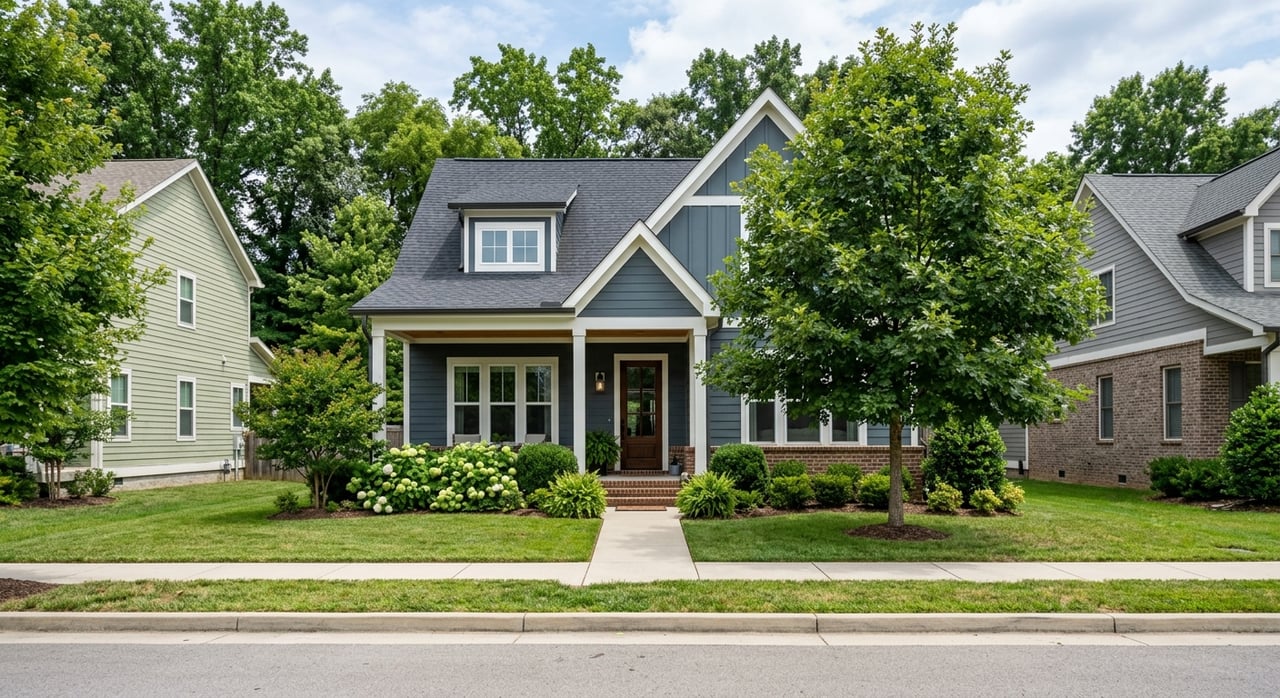
If you want to live close to the Square, it helps to know that the housing options are usually different from what you would find in newer suburban neighborhoods. The downtown area is shaped by overlay districts and historic development patterns, so the homes near downtown often have more character, smaller-scale lots, and a more established feel.
The city’s historic maps identify the Downtown Overlay District and Old Town Overlay, along with historic districts including Olive Street, Williamson County Courthouse, Belford, and University-Elm. These are useful official area names when you are narrowing your home search around the Square.
City design guidance says Area 2 of the downtown overlay has a heritage of residential buildings and later low-density structures, and today includes a mix of offices, retail, and some residential uses. The same guidance shows urban residential infill, residential setbacks, and residential roof forms within the area.
In practical terms, that usually means the close-in housing mix may include historic single-family homes, older small-lot houses, and some infill or mixed-use properties. If you are picturing large suburban lots and newer tract homes, the downtown-adjacent market is usually a different fit.
The Old Town guidance also notes that new construction should respect historic neighborhood patterns. It describes residential buildings as generally simple in form, which helps explain why homes near downtown often feel older, more modest in scale, and more character-driven.
Not every buyer who likes the Square wants the exact same lifestyle. Some people want to be as close as possible so they can walk to dining and events often. Others want a little more breathing room, easier parking, or a slightly quieter setting while still staying close to downtown.
A smart way to think about your search is to start with Old Town and the downtown or Old Town overlay areas if walkability and character are your top priorities. Then compare that with nearby historic districts or edge-of-downtown areas if you want a more residential feel with convenient access to the Square.
This is where local guidance matters. A neighborhood that looks close on a map may feel very different depending on lot size, street pattern, parking setup, and how directly it connects to downtown or the trail system.
This lifestyle can appeal to several kinds of buyers. First-time buyers may like the idea of a more connected, character-filled location if the home style and layout match their budget and goals. Move-up buyers or downsizers may be drawn to the convenience, the charm, and the easier access to local events and public spaces.
It can also be a strong fit if you are relocating and want a part of Georgetown that immediately feels distinct. The Square gives you a clear sense of place, which can make it easier to picture your routine and decide whether the area matches how you want to live.
The key is understanding the trade-offs clearly. Older homes may bring more character and a better downtown location, while edge-of-downtown options may offer a different balance of access, parking, and home style.
Before you decide to focus your search near the Square, it helps to think through what matters most in your day-to-day life.
Here are a few practical questions to ask yourself:
When you answer those questions honestly, your search becomes much easier to shape. Instead of just saying you want to live near downtown Georgetown, you can define what that actually means for your lifestyle, budget, and next move.
Living near the Square is about more than curb appeal. It is about being close to the heart of Georgetown while also staying connected to trails, parks, local events, and a housing stock with real character. If that sounds like the kind of move you are considering, working with someone who can help you compare the trade-offs clearly can make the process much less stressful. When you are ready for a practical, no-pressure conversation about Georgetown neighborhoods and your next step, reach out to Toni Delao.
Stay up to date on the latest real estate trends.
Turning today’s No into tomorrow’s YES! At YES Realty, we help clear the roadblocks to homeownership and give you real, practical resources so your next chapter comes with less stress and more confidence. With over 22 years of experience, Owner/Broker- Toni Thompson offers solutions like Lease Buyout, Rent-to-Own, and Buy‑Before‑You‑Sell strategies to help you move forward on your timeline.
14900 AVERY RANCH BLVD STE C200 AUSTIN, TX 78717