June 4, 2026
June 4, 2026
If Austin no longer fits the way you want to live, Georgetown may be closer to the answer than you think. Downsizing is not just about finding a smaller home. It is about lowering maintenance, simplifying your routine, and making sure your next move works financially and practically. If you are thinking about leaving Austin for Georgetown, this guide will help you compare the lifestyle, housing options, timing choices, and costs so you can build a smarter plan. Let’s dive in.
Georgetown sits about 26 miles north of downtown Austin, with Interstate 35 running through the city. For many Austin homeowners, that means the move feels more like a lifestyle reset than a major relocation. You can stay connected to Central Texas while changing your day-to-day pace.
The city is established, but still smaller than Austin. Georgetown has 67,176 residents, 39,528 households, and 42,097 housing units, which gives you a market with real options without the scale of a larger city. If you want convenience without feeling like everything is spread out across a huge metro, that balance can matter.
Downtown Georgetown is also a big draw for homeowners who want more walkable errands, events, and social options. The city notes that downtown parking is free, with multiple parking formats within walking distance of the Square, though on-street parking is limited to three hours. Local events add to that lifestyle appeal, including Second Saturday Market Days, which drew more than 93,000 visitors in 2024, and the Red Poppy Festival.
Downsizing does not mean the same thing for everyone. You may want less square footage, fewer yard chores, better access to trails, or a home that is easier to lock and leave. Georgetown offers a few distinct directions depending on what matters most to you.
A practical way to think about Georgetown inventory is by the main housing categories buyers often compare: single-family homes, townhouses, and condos or co-ops. Each option comes with trade-offs in privacy, maintenance, storage, and price point. The right fit depends on how much space you truly use today and how much upkeep you want tomorrow.
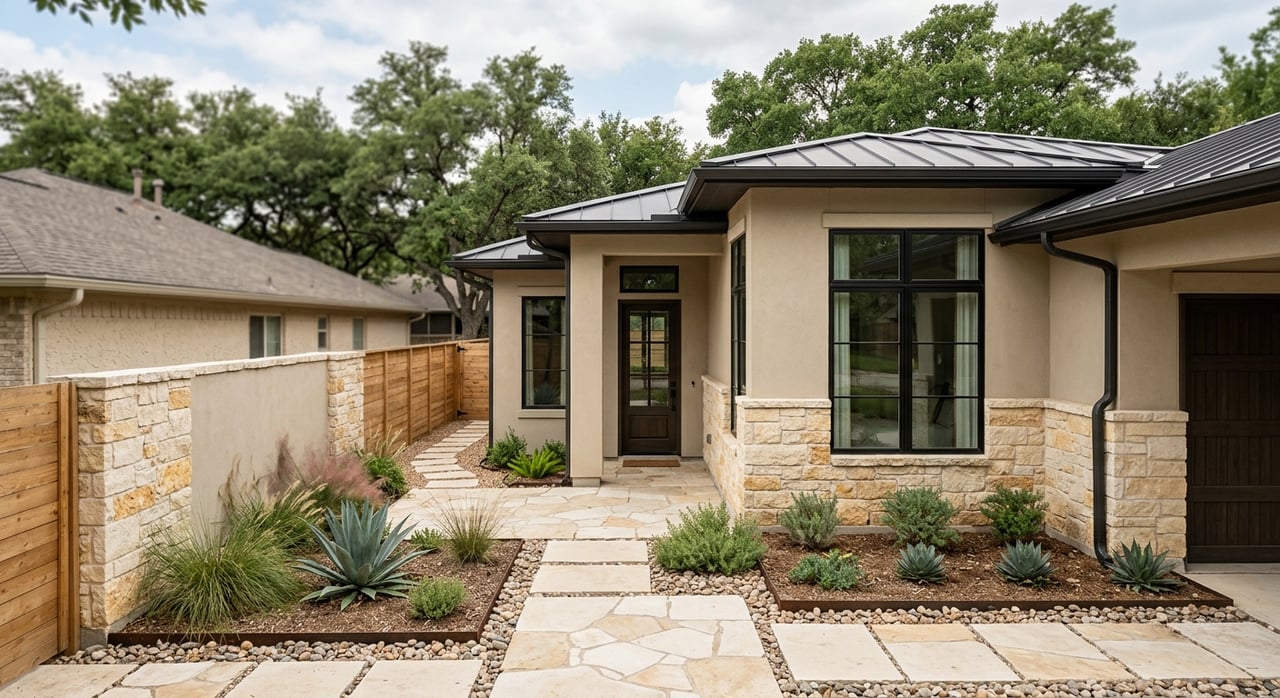
Single-family homes may still make sense if you want one-story living, a little outdoor space, or room for guests and hobbies. Townhouses and condos can appeal if your goal is a more streamlined routine and less exterior maintenance. If you are downsizing from a larger Austin home, this is often where lifestyle matters more than raw square footage.
If you want a built-in low-maintenance lifestyle, Sun City Texas is one of Georgetown’s clearest examples. The community highlights three championship golf courses, fitness centers and pools, clubs and activities, and a weekly farmers market. For some downsizers, that combination of amenities and social options is exactly the point of the move.
This type of community can be especially appealing if you are ready to trade home projects for recreation and convenience. It can also simplify your search if you already know you want a home in a setting designed around active-adult living. That said, it is still important to compare the monthly costs, home style, and day-to-day feel against other parts of Georgetown.
If planned communities are not your style, Georgetown’s historic areas may be more appealing. Homes near downtown or in Old Town can offer charm and location, but they may also come with extra rules for exterior work. In the city’s historic overlay areas, certain exterior projects are reviewed and may require a Certificate of Appropriateness.
That does not mean you should avoid these areas. It simply means you should understand the approval process before assuming you can make major exterior changes. If character is high on your list, this is an important part of choosing the right property.
For many downsizers, the goal is not just a smaller home. It is a better routine. Georgetown supports that with more than 12 miles of community trails, 7 miles of shared-use and equestrian trails at Garey Park, and the 28-mile Good Water Loop around Lake Georgetown.
If you want more time outside and less time maintaining a large property, access to parks and trails can be a real quality-of-life upgrade. This is one of those features that may matter more after the move than before it. A home that supports the life you want to live is often a better downsize than one that is simply cheaper or smaller.
A downsize move usually has two sides: what you can sell for and what you can buy next. Recent market data shows Georgetown with a median sale price of about $399,794 and an average selling timeline of about 71.5 days. Austin shows a median sale price of about $529,726, with homes selling in around 49 days.
For many homeowners, that price gap is part of Georgetown’s appeal. You may be able to buy into a lower-priced market while still staying close to Austin. At the same time, Georgetown homes are not necessarily moving at the same pace as Austin homes, so your pricing and purchase timeline still need careful planning.
This is where a clear strategy matters more than assumptions. A lower median price can create opportunity, but the real question is how your specific sale, your available equity, and your desired move date line up.
This is usually the biggest question in a downsizing move, and there is no one-size-fits-all answer. The right sequence depends on your equity, your cash reserves, your loan options, and how much risk or temporary overlap you are comfortable with. A move from Austin to Georgetown may be local, but coordinating two transactions can still get complicated fast.
Selling first can give you the clearest budget. Once your Austin home closes, you know exactly how much equity you can put toward your Georgetown purchase. This approach can reduce financial strain, especially if you want to avoid carrying two housing payments at once.
The trade-off is timing. You may need temporary housing or a flexible closing arrangement if you do not find your next home right away. If your top priority is certainty on the numbers, selling first is often the cleaner path.
Buying first can work well if you want to avoid moving twice or if the right Georgetown home becomes available before your Austin home sells. It may also be helpful if your move timeline is tied to work, family, or other logistics. The challenge is making sure the payment overlap and cash requirements are realistic.
This option tends to work best when you have strong equity, solid reserves, or a financing path that supports both sides of the move. It can reduce disruption, but it requires more upfront planning.
If you need to buy before selling, some short-term bridge loans may be available for 12 months or less for consumers who plan to sell a current home. In simple terms, that can help cover the gap while both closings are being coordinated. The key issue is whether your lender approves the structure and whether the cash flow works comfortably for you.
This is why downsizers benefit from a custom plan instead of generic advice. Your move should be built around your real numbers, not just market headlines. A calm strategy around timing, financing, and contract terms can make the entire process feel far more manageable.
The headline numbers are only part of the move. Buying and selling both come with upfront costs, and those expenses should be part of your plan from the start. Closing costs on a purchase typically run about 2% to 5% of the purchase price before the down payment, and transactions also involve fees, taxes, and commissions.
If you are comparing Austin and Georgetown only on sale price, you may miss the true cash picture. Repair costs, moving expenses, and timing-related overlap can all affect your comfort level. Downsizing should simplify your life, not surprise you later with avoidable financial stress.
If you move into a new primary residence in Georgetown, your homestead exemption needs attention. Williamson CAD says a homestead must be your principal residence, cannot be claimed on another property, and should be updated when you move. Homestead applications are generally filed between January 1 and April 30.
This matters even more if you are age 65 or older. The Texas Comptroller says homeowners in that age group may qualify for an additional $60,000 school-tax exemption. It is a simple step, but it can affect your ongoing housing costs, so it should be part of your move checklist.
The best downsizing moves are not rushed. They are mapped out with the sale, purchase, financing, and move date working together. That is especially true when you are selling in Austin and buying in Georgetown, where the lifestyle benefits may be clear but the timing still needs careful coordination.
A strong plan should answer a few practical questions:
If you want straight answers before making a big decision, working with an experienced local broker can help you sort through the options without pressure. If you are weighing a move from Austin to Georgetown and want a clear, realistic plan, Toni Delao can help you think through timing, pricing, and the best path for your next step.
Stay up to date on the latest real estate trends.
Turning today’s No into tomorrow’s YES! At YES Realty, we help clear the roadblocks to homeownership and give you real, practical resources so your next chapter comes with less stress and more confidence. With over 22 years of experience, Owner/Broker- Toni Thompson offers solutions like Lease Buyout, Rent-to-Own, and Buy‑Before‑You‑Sell strategies to help you move forward on your timeline.
14900 AVERY RANCH BLVD STE C200 AUSTIN, TX 78717